
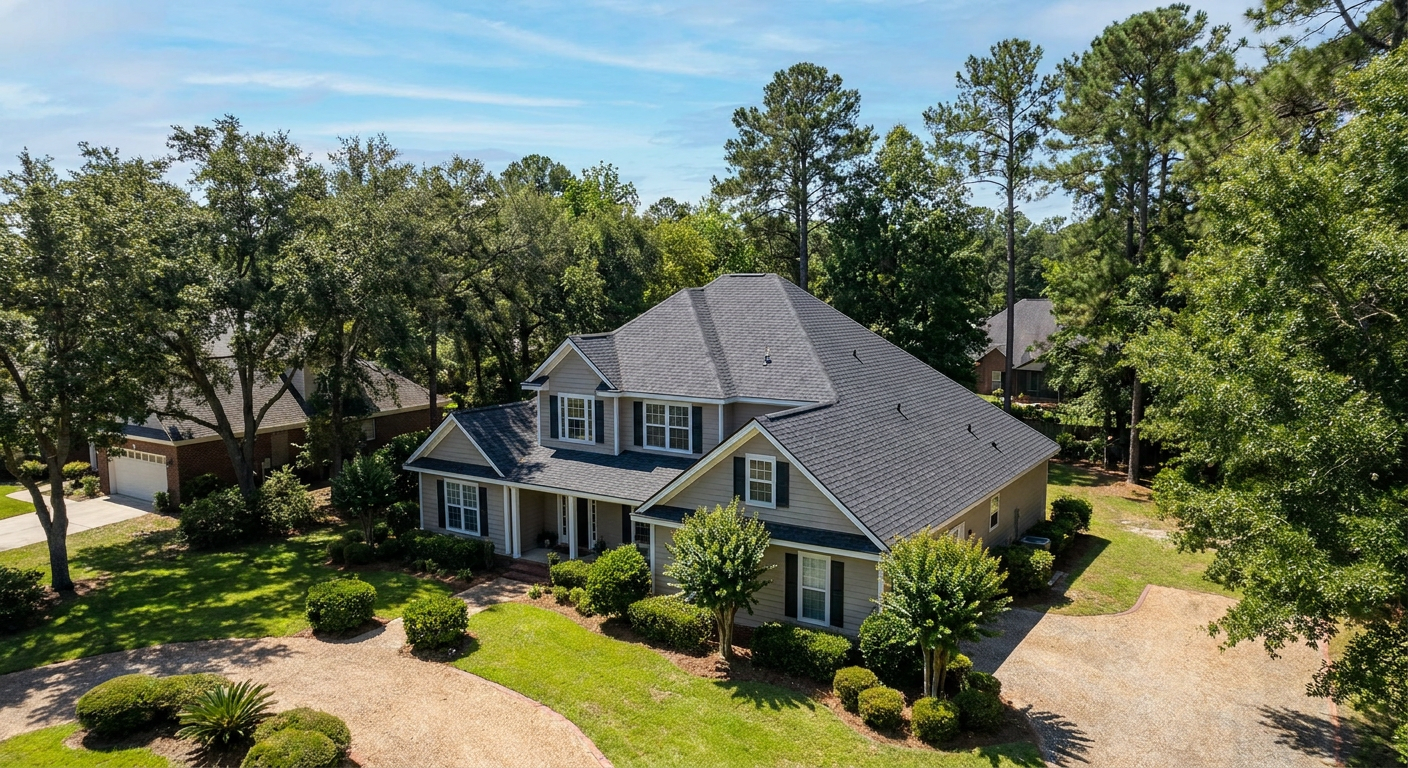
In the humid, subtropical climate of Jesup, Georgia, homeowners are no strangers to the relentless summer sun and the sticky air that follows a afternoon thunderstorm. While most people focus on their air conditioning units or the aesthetics of their shingles, there is a hidden hero—or potential villain—lurking just beneath your roofline: attic ventilation.
At Diamond Roof Restorations, we often see roofs in Wayne County that look decades older than they actually are. The culprit isn’t always the weather outside, but rather the air trapped inside. Proper ventilation is not just a luxury; it is a critical component of your home’s structural integrity and energy efficiency.
The Science of a Breathing Roof
Attic ventilation operates on a simple principle: intake and exhaust. For a system to work effectively, cool air must enter through intake vents (typically located at the soffits or eaves) and hot, moist air must escape through exhaust vents (located at the ridge or high on the roof slopes).
In a perfectly balanced system, this continuous flow of air prevents the attic from becoming a pressurized chamber of heat and moisture. When this balance is disrupted, your home begins to suffer from the top down.
Combating the Georgia Humidity
Jesup’s proximity to the coast means humidity is a constant factor. Moisture isn't just an outdoor problem; it migrates from inside your home—through cooking, showering, and even breathing—up into the attic. Without proper airflow, this moisture settles on the underside of your roof deck and insulation.
This leads to several high-stakes problems:
- Mold and Mildew Growth: Damp, dark attics are breeding grounds for mold spores, which can eventually impact the indoor air quality of your living spaces.
- Wood Rot: Over time, trapped moisture can cause the rafters, joists, and plywood decking to soften and decay, compromising the structural safety of your roof.
- Insulation Degradation: Wet insulation loses its R-value, meaning it no longer effectively keeps heat out in the summer or warmth in during our brief winter spells.
The "Oven Effect": Heat and Shingle Life
On a 95-degree day in Georgia, an unventilated attic can easily reach temperatures exceeding 150 degrees Fahrenheit. This extreme heat creates an "oven effect" that bakes your roofing materials from the inside out.
Premature Shingle Aging
Modern asphalt shingles are designed to withstand external heat, but they aren't meant to be sandwiched between the sun and a boiling attic. Excessive heat causes the protective granules on shingles to loosen and fall away. It also causes the asphalt oils to dry out, leading to brittle shingles that crack, curl, and lose their ability to shed water. By neglecting ventilation, you could be cutting the lifespan of a 30-year roof down to 15 or 20 years.
Increased Energy Demands
When your attic stays hot, that heat eventually radiates down through your ceiling and into your living quarters. This forces your HVAC system to work overtime to maintain a comfortable temperature. A properly ventilated attic can significantly lower your cooling costs, especially during the peak of a Southeast Georgia summer.
Protecting Against Regional Challenges
Living in the Southeast, including our service areas across South Carolina and Florida, presents unique challenges that make ventilation even more vital.
Algae and Lichen Growth
You may have noticed black streaks on roofs around Jesup. This is often Gloeocapsa magma, a type of cyanobacteria (algae) that thrives in hot, humid environments. While the algae grows on the outside, a hot, poorly ventilated roof provides the perfect surface temperature to accelerate this growth, leading to unsightly staining and potential shingle damage.
Hurricane and Storm Resistance
In Georgia, we must always be prepared for high-wind events. Improperly installed ventilation can sometimes become an entry point for wind-driven rain during a tropical storm. At Diamond Roof Restorations, we prioritize high-quality ridge vents and baffled intake systems that are designed to let air flow while keeping the elements out, ensuring your home remains protected even when the weather turns severe.
Common Signs Your Ventilation is Failing
How do you know if your Jesup home has a ventilation problem? Look for these red flags:
- Extreme Temperature Fluctuations: If the second floor of your home is significantly warmer than the first, your attic is likely holding too much heat.
- Rusty Nails or Hardware: If you go into your attic and see rust on roofing nails or light fixtures, there is excessive moisture present.
- Shingle Distortion: From the ground, look for shingles that appear to be "balding" or have edges that are curling upward.
- Ice Dams (Rare but possible): While uncommon in South Georgia, during rare freeze events, heat escaping from the attic can melt snow or frost which then refreezes at the eaves, causing water to back up under the shingles.
The Diamond Roof Restorations Difference
At Diamond Roof Restorations, we don’t just look at the surface of your roof. We take a holistic approach to roof health. When we inspect a home in Jesup, we evaluate the entire ventilation system to ensure you have the right ratio of intake to exhaust.
We understand the local building codes and the specific demands of the Georgia climate. Our goal is to provide a roofing system that lasts as long as possible, saves you money on utilities, and protects your family’s health by preventing mold and structural decay.
Schedule Your Free Attic and Roof Inspection
Don't wait for a leak or a sky-high power bill to tell you something is wrong. Whether you are in Jesup, GA, or across our service areas in Florida and South Carolina, Diamond Roof Restorations is here to help. We offer comprehensive inspections to identify ventilation gaps and provide professional solutions tailored to your home’s specific needs.
Protect your investment and your peace of mind. Call us today at (912) 207-6273 or visit our website to schedule your free, no-obligation roof health assessment. Let’s ensure your roof is breathing easy so you can too.