
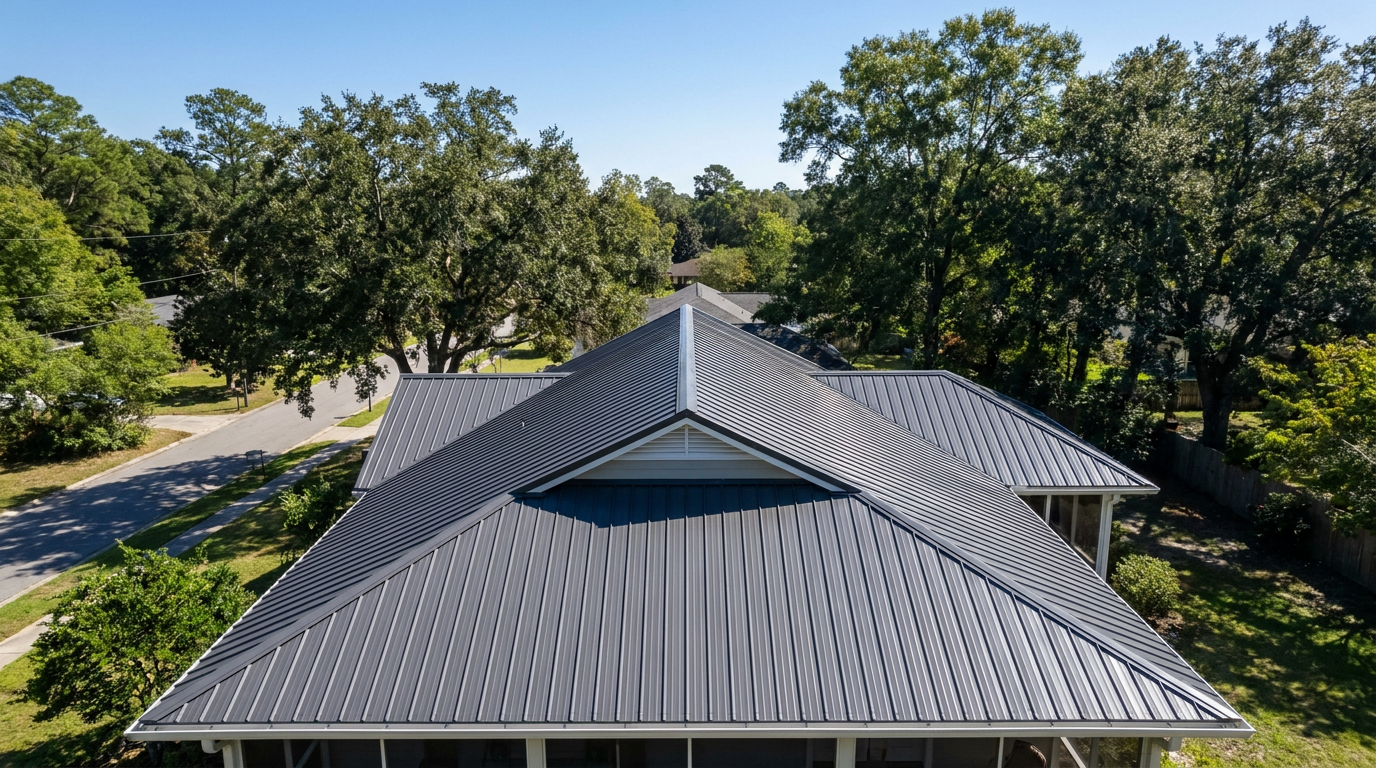
In the heart of Waycross, Georgia, where the humidity can feel thick enough to cut with a knife and the summer sun beats down relentlessly, your home’s roof is your first line of defense. Most homeowners focus on the quality of their shingles or the integrity of their gutters, but there is a silent hero—or a hidden villain—working beneath the surface: your attic ventilation.
At Diamond Roof Restorations, we often see roofs that should have lasted 25 years failing after just 12. The culprit is rarely the material itself, but rather the trapped heat and moisture in the attic space. Understanding why ventilation matters is the first step in protecting your greatest investment.
The Thermodynamics of a Georgia Summer
When the outdoor temperature in South Georgia hits 95°F, a poorly ventilated attic can easily reach temperatures exceeding 150°F. This isn't just a comfort issue; it’s a structural threat. This extreme heat acts like an oven, baking your shingles from the inside out.
The "Cooked" Shingle Syndrome
Excessive attic heat causes the asphalt in your shingles to become brittle. Over time, the protective granules lose their adhesion and begin to wash away into your gutters. Once those granules are gone, the underlying asphalt is exposed to UV rays, leading to cracking, curling, and premature failure. By ensuring a steady flow of air, you effectively regulate the temperature of your roof deck, keeping your shingles flexible and functional for their intended lifespan.
Combatting the Humidity Trap
Serving Georgia, Florida, and South Carolina means we deal with some of the highest humidity levels in the United States. Moisture is the natural enemy of a roofing system. Without proper ventilation, the humid air trapped in your attic can condense on the underside of your roof deck and rafters.
Preventing Mold and Wood Rot
Consistent moisture leads to two major problems: mold growth and wood rot. Mold in the attic can eventually migrate into your living spaces, affecting indoor air quality and family health. Even more concerning is "dry rot," which occurs when the structural timber of your roof absorbs moisture and weakens. A roof that has been compromised by rot is significantly more susceptible to damage during the high-wind events and hurricanes common to our region.
The Algae Issue
You may have noticed black streaks on roofs around Waycross. This is often Gloeocapsa magma, a type of cyanobacteria (algae) that thrives in warm, moist environments. While algae is usually aesthetic, the conditions that allow it to flourish on the outside are often mirrored by poor ventilation on the inside, leading to a much faster degradation of the roofing system.
Energy Efficiency and the Bottom Line
We all know the sting of a high electricity bill in July. When your attic is stagnant and hot, that heat eventually radiates through your ceiling insulation and into your living quarters. This forces your air conditioning unit to work overtime to maintain a comfortable temperature.
Proper attic ventilation utilizes the principle of convection. As hot air rises and escapes through exhaust vents (like ridge vents or power fans), it creates a vacuum that pulls cooler air in through intake vents (like soffit vents). This continuous cycle keeps the attic closer to the ambient outdoor temperature, reducing the thermal load on your HVAC system and lowering your monthly energy costs.
The Components of a Balanced System
Ventilation is not just about adding more vents; it is about balance. A common mistake is installing too much exhaust without enough intake, which can actually pull conditioned air from your home into the attic.
Intake Vents
Typically located at the eaves or soffits, these allow fresh, cooler air to enter the attic space. It is crucial to ensure that insulation is not blocking these vents, a common issue in older Georgia homes.
Exhaust Vents
Located at the highest point of the roof, these allow the hot, moist air to escape. Whether you use ridge vents, gable vents, or motorized attic fans, the goal is to provide a clear exit path for the rising heat.
Signs Your Attic Ventilation Needs Help
How do you know if your home is suffering from poor airflow? Keep an eye out for these red flags:
- Extremely Hot Ceilings: If your upstairs ceilings feel warm to the touch on a sunny day, your attic is likely trapping too much heat.
- Ice Dams (Rare but possible): While uncommon in Waycross, sudden cold snaps can lead to ice buildup if the attic isn't properly regulated.
- Peeling Exterior Paint: Excessive attic moisture can sometimes cause paint on the trim or siding near the roofline to blister and peel.
- Rust on Metal Fixtures: Look for rust on nails or plumbing vents in the attic, which indicates high humidity levels.
Protect Your Home with Diamond Roof Restorations
Your roof is a complex system, and ventilation is the heartbeat of that system. In the unique climate of the Southeast, you cannot afford to ignore what is happening in your attic. Whether you are in Waycross, GA, or across the border in Florida or South Carolina, Diamond Roof Restorations is here to ensure your home stays cool, dry, and structurally sound.
Don't wait for a leak or a massive energy bill to take action. Let our team of professionals provide a comprehensive evaluation of your roofing and ventilation system.
Contact Diamond Roof Restorations today at (912) 207-6273 to schedule your free, no-obligation roof inspection. Protect your home from the top down.