
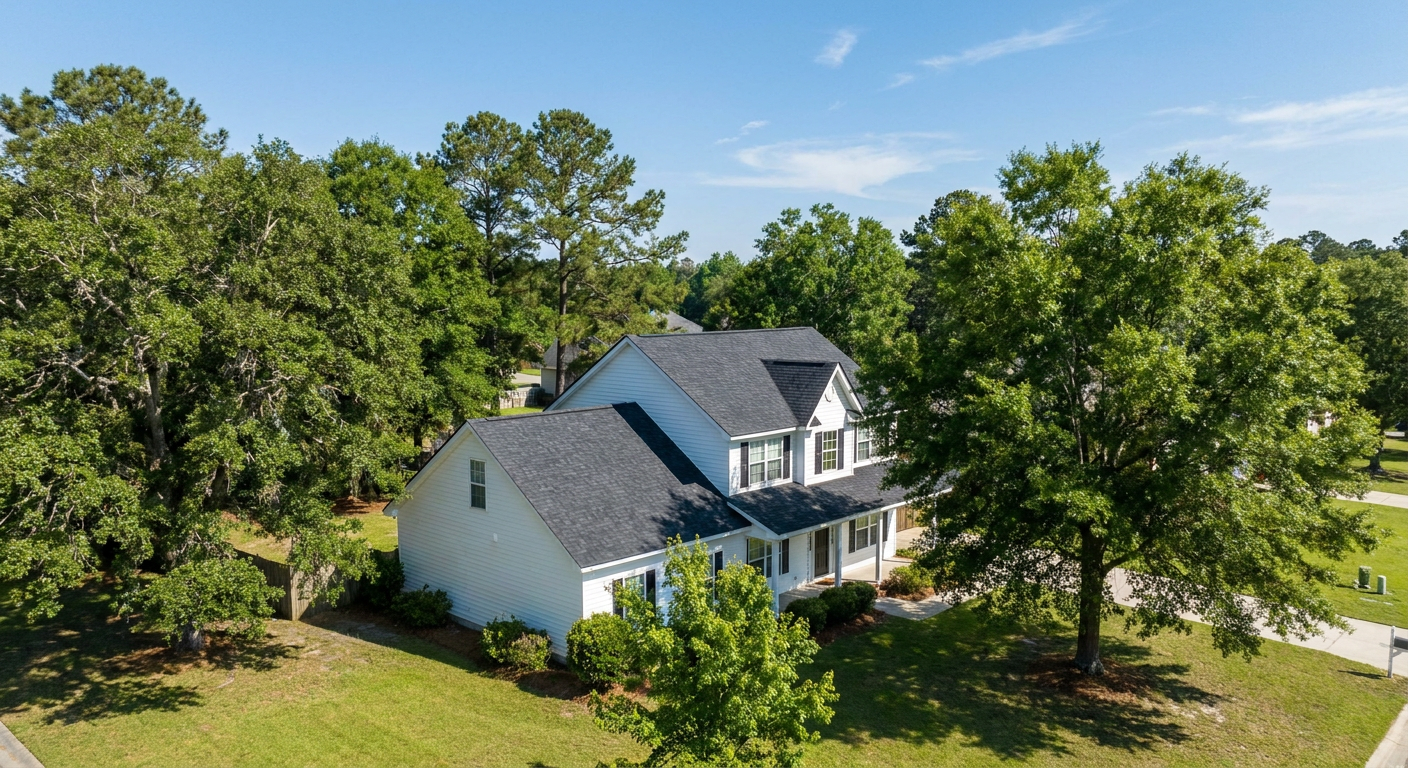
Living in Hinesville, Georgia, means enjoying beautiful coastal weather, but it also means bracing for the intensity of the Atlantic hurricane season. Between June and November, the risk of high-velocity winds, torrential downpours, and flying debris becomes a reality for every homeowner. Your roof is the primary shield protecting your family and your investment, yet it is often the most overlooked component of home maintenance until a leak appears.
At Diamond Roof Restorations, we have seen firsthand how a little bit of proactive maintenance can be the difference between a minor storm cleanup and a total roof replacement. This guide provides a substantive, actionable checklist to help you fortify your home before the first storm clouds gather.
The Realities of Coastal Georgia Roofing
Homeowners in Liberty County face unique environmental challenges. The high humidity of the Southeast encourages the growth of Gloeocapsa Magma—a type of hardy algae that appears as black streaks on shingles. This algae doesn't just look bad; it eats away at the limestone filler in asphalt shingles, weakening their structural integrity. When a hurricane hits, these weakened shingles are the first to lift and blow away.
Furthermore, the salt air common in our region can accelerate the corrosion of metal flashing and fasteners. Understanding these local factors is the first step in ensuring your roof is storm-ready.
Step 1: Conduct a Ground-Level Inspection
You don’t need to climb a ladder to spot the most obvious signs of vulnerability. Walk around the perimeter of your home and look for the following:
Missing or Damaged Shingles
Look for shingles that are cracked, curled at the edges, or missing entirely. These are the weak links in your roof's armor. High winds can easily get underneath a loose shingle, creating a "domino effect" that strips large sections of your roof deck bare.
Granule Loss
Check your gutter downspouts for an accumulation of grit that looks like coarse sand. These are the protective granules from your shingles. Excessive loss indicates that the shingles are reaching the end of their lifespan and will be more susceptible to impact damage from hail or flying debris.
Sagging Roof Lines
Step back and look at the ridge of your roof. If you notice any dipping or sagging, it could indicate structural damage or water-logged decking from previous storms. This requires immediate professional attention before the weight of a heavy rainstorm makes the situation worse.
Step 2: Clear the Perimeter and Gutters
A roof is a system, and that system includes your gutters and the surrounding landscape. During a hurricane, water volume is extreme. If that water has nowhere to go, it will back up under your shingles and into your soffits.
Clean Your Gutters and Downspouts
Remove pine needles, leaves, and silt. Ensure that downspouts are directed at least five to ten feet away from your foundation. In Hinesville, where sandy soil is common, ensuring water doesn't pool near the house is vital for both your roof and your foundation.
Trim Overhanging Branches
In a tropical storm or hurricane, a healthy tree limb can quickly become a battering ram. Trim any branches that hang over the roofline. A minimum five-foot clearance is recommended to prevent branches from scraping against shingles during high winds, which can strip away the protective surface layer.
Step 3: Inspect the Flashing and Seals
Flashing is the thin metal material installed to direct water away from critical areas of the roof, such as chimneys, skylights, and valleys. In the Southeast, the constant cycle of heat and humidity can cause these metal components to expand and contract, eventually breaking the waterproof seals.
Check for Rust and Gaps
If you see rust on your flashing or dried-out, cracked sealant around roof penetrations (like vent pipes), these are primary entry points for water. During a hurricane, wind-driven rain can be forced upward into even the smallest gaps.
Step 4: Evaluate the Attic Space
The underside of your roof tells a story that the topside might hide. Take a flashlight into your attic during the day and look for:
- Light peeking through: If you can see daylight, water can get in.
- Water stains: Dark spots or streaks on the rafters or the underside of the decking are signs of slow leaks.
- Proper Ventilation: Ensure your soffit vents aren't blocked by insulation. Proper airflow prevents heat buildup, which can cook your shingles from the inside out in the Georgia summer, making them brittle before storm season.
Why Professional Inspections Matter
While a DIY checklist is an excellent start, many signs of roof failure are invisible to the untrained eye. Professional roofing contractors use specialized tools to check for moisture levels and structural integrity that a simple visual check might miss. Furthermore, having a documented inspection on file before a storm hits can be invaluable for insurance purposes should you need to file a claim later in the year.
Secure Your Home with Diamond Roof Restorations
Don't wait for the hurricane sirens to start sounding before you think about your roof. Residents in Hinesville, GA, and throughout the coastal Southeast trust Diamond Roof Restorations to provide honest, thorough evaluations of their home’s most important defense.
Our team understands the specific demands of the Georgia climate, from the intense UV rays to the threat of tropical depressions. We are here to ensure your roof is reinforced, repaired, and ready to weather whatever the Atlantic throws our way.
Is your roof ready for hurricane season? Contact Diamond Roof Restorations today at (912) 207-6273 to schedule your comprehensive roof inspection. Let us give you the peace of mind you deserve.