
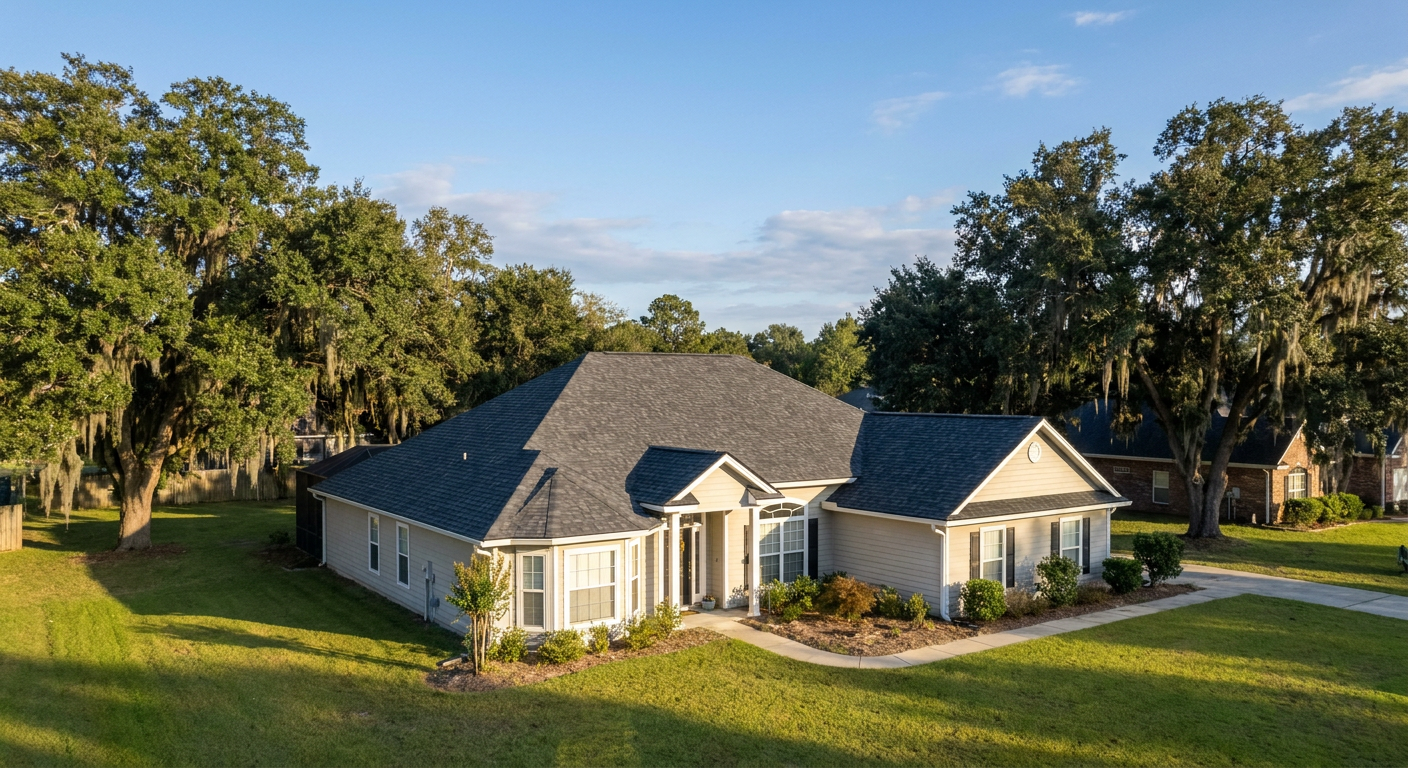
For most homeowners in Hinesville and the surrounding Liberty County area, the roof is a classic case of "out of sight, out of mind." It is easy to ignore the shingles overhead until a brown stain appears on the ceiling or a severe Southeast thunderstorm leaves a pile of granules in your driveway. When you hear the term "free roof inspection," it is natural to be skeptical. Is it just a sales pitch, or is there real value involved?
At Diamond Roof Restorations, we believe an inspection is the most critical tool in your home maintenance arsenal. Especially in the humid, storm-prone corridors of Georgia, Florida, and South Carolina, a professional assessment is about more than just finding leaks—it is about documenting the health of your home’s primary defense system. Here is a detailed breakdown of what a comprehensive, professional roof inspection actually covers.
The Exterior Surface Evaluation
The most visible part of the inspection happens on the roof itself. However, an expert eye looks for much more than just missing shingles. In the Southeast, our roofs face unique challenges like high UV exposure and intense humidity.
Shingle Health and Granule Loss
As asphalt shingles age, they lose the ceramic granules that protect them from the sun. During an inspection, we look for "bald spots" or excessive granule accumulation in the gutters. In Hinesville’s heat, shingles can also become brittle, leading to cracking or curling. We assess the remaining lifespan of the material to help you plan for the future.
Wind and Hail Documentation
Living near the coast means dealing with high-wind events and tropical systems. An inspector looks for subtle signs of wind lift, where the sealant bond is broken, even if the shingle hasn't blown off yet. We also check for the tell-tale bruising caused by hail, which can compromise the water-shedding capabilities of the roof without being obvious from the ground.
Algae and Organic Growth
Have you noticed black streaks on your roof? That is likely Gloeocapsa Magma, a hardy algae that thrives in the humid climates of Georgia and South Carolina. While often aesthetic, it can lead to premature shingle degradation. We evaluate the extent of organic growth and determine if it has affected the integrity of the roofing material.
Flashing, Seals, and Penetrations
The vast majority of roof leaks do not start in the middle of a shingle field; they start at the transitions. A professional inspection focuses heavily on the "weak points" where the roof meets something else.
Pipe Boots and Vents
Plumbing stacks and exhaust vents are common culprits for slow drips. The rubber boots around these pipes often dry-rot in the intense Georgia sun long before the shingles fail. We check every penetration to ensure the seals are tight and the flashing is not rusted or lifting.
Chimneys and Step Flashing
Where a roof meets a vertical wall or a chimney, specialized metal flashing is required. We inspect the counter-flashing and the mortar joints to ensure water is being diverted away from the interior of the structure. If the sealant is cracked or the metal is pulling away, it is a high-priority repair item.
Valley Integrity
The valleys are the areas where two roof slopes meet. These channels handle a massive volume of water during a typical afternoon downpour. We check for debris buildup, proper shingle overlapping, and signs of wear in these high-traffic water zones.
The Gutter and Drainage System
A roof is only as good as its ability to shed water away from the foundation. A free inspection includes an assessment of the drainage system to ensure it isn't causing secondary damage to the home.
Gutter Pitch and Clogging
We look for sagging gutters or areas where water is pooling. In our region, pine needles and oak leaves can quickly choke a system, leading to water backing up under the eave (the edge of the roof). This can rot the fascia boards and eventually lead to interior water intrusion.
Drip Edge Inspection
The drip edge is a metal flashing installed at the edges of the roof to direct water into the gutters. Without a properly installed drip edge, water can wring back under the shingles, rotting the roof deck and inviting pests like Formosan termites, which are a significant concern in the Southeast.
Attic and Structural Assessment
A truly thorough inspection doesn't just happen outside. What is happening underneath the shingles is often more telling than the surface itself.
Proper Ventilation
In Hinesville, the summer heat can turn an attic into an oven. If an attic isn't properly vented, that heat bakes the shingles from the inside out, cutting their lifespan in half. We check for intake vents (soffits) and exhaust vents (ridge vents or fans) to ensure air is flowing correctly. We also look for signs of "attic rain," which is condensation caused by poor airflow.
Decking and Support
From inside the attic, an inspector can see signs of moisture that haven't yet reached the ceiling drywall. We look for dark staining on the OSB or plywood decking, which indicates a slow leak. We also check for sagging rafters or structural issues that could compromise the safety of the roof.
Detailed Reporting and Next Steps
Once the physical walk-through is complete, a professional inspection concludes with a detailed report. At Diamond Roof Restorations, we provide homeowners with a clear picture of their roof’s condition, categorized by urgency.
Documentation for Insurance
If the inspection reveals significant storm damage from a recent hurricane or severe weather event, the documentation provided (including photos of wind-damaged shingles or hail hits) becomes vital for the insurance claims process. Having a professional contractor's report ensures that the full scope of damage is recognized.
Maintenance Recommendations
Not every inspection leads to a roof replacement. Often, the result is a list of minor maintenance items—like resealing a pipe boot or cleaning out a valley—that can extend the life of your roof by several years. This proactive approach saves homeowners thousands of dollars in the long run.
Protect Your Hinesville Home Today
Your roof is a complex system of components working together to keep your family safe and dry. In the unpredictable climate of the Southeast, waiting for a leak to appear is a risky strategy. A free inspection from a local, trusted professional provides peace of mind and allows you to address minor issues before they become catastrophic failures.
If you live in Hinesville, GA, or the surrounding coastal regions, don’t leave your home’s protection to chance. Diamond Roof Restorations offers comprehensive, honest assessments to help you understand exactly what is happening over your head.
Contact Diamond Roof Restorations today at (912) 207-6273 to schedule your professional roof inspection and ensure your home is ready for whatever the next season brings.