
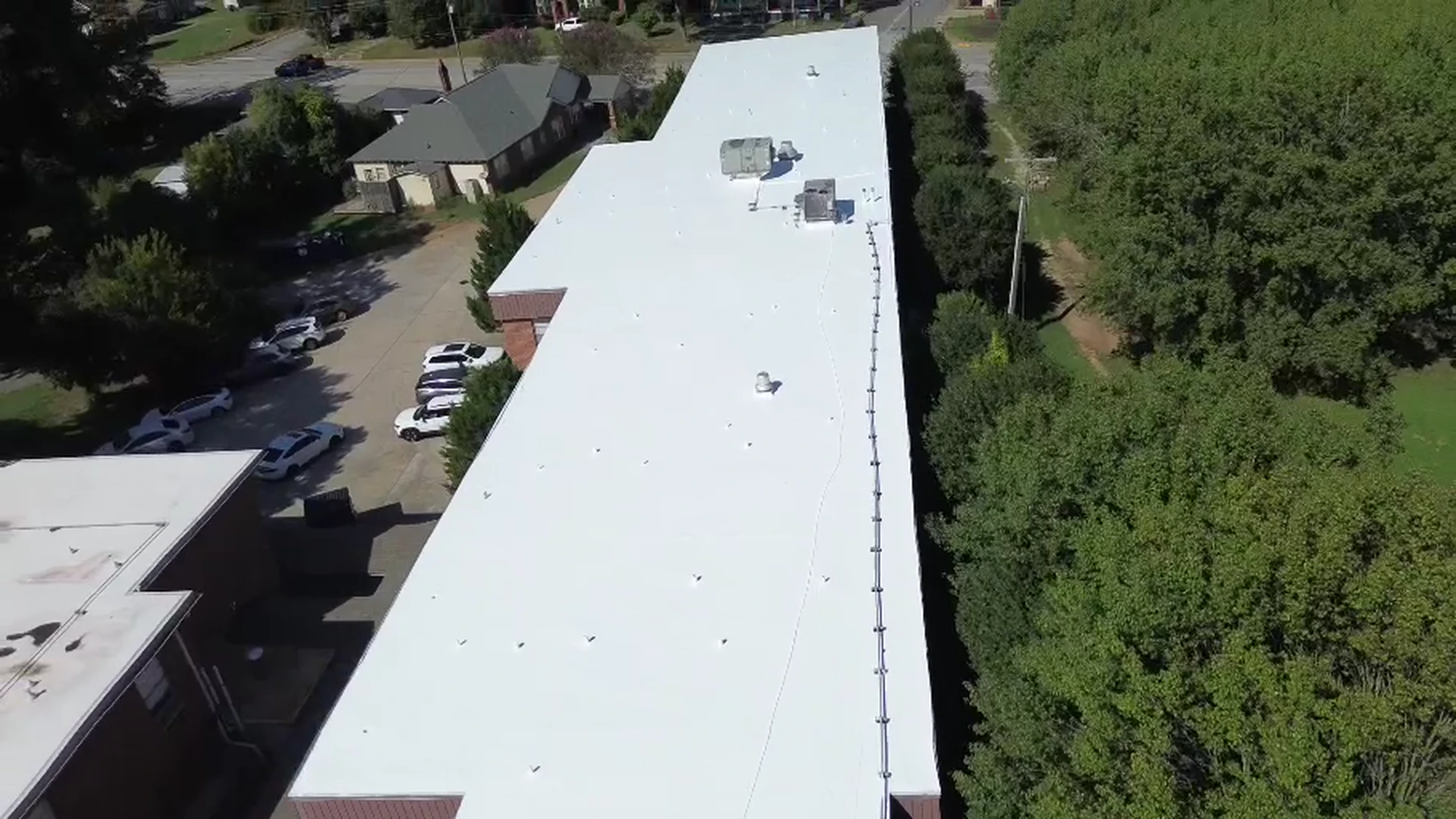
What is being monitored
Water-contact sensors can signal when liquid reaches their level in the assembly. Other sensors track relative humidity and temperature over time. A zone-based system narrows the search to a mapped area. Ask which variable the system measures, where the sensors sit and how often they report. A humidity rise and liquid water touching a sensor call for different follow-up.
Choosing coverage and recognizing blind spots
New construction or a planned replacement gives the designer access to place sensors before the roof closes. Some systems also support selected retrofit installations. For a medical facility or a room containing sensitive equipment, ask to see the proposed sensor layout over that specific room. Water may travel sideways before reaching a sensor, bypass it altogether, or remain in another layer.
Before accepting a system, document the baseline readings and zone map, test an alert, and assign someone to receive it. Verify power or battery status and communications so an offline device is distinguishable from an ordinary dry reading.
Responding to a moisture alert
Compare the timestamp with rain, recent rooftop work and indoor humidity records. Inspect the indicated zone and nearby details. Use a compatible breach test, moisture survey or selective opening to identify the source and extent. Repair the defect or correct the condensation condition, replace wet or damaged materials as required, and verify the repaired zone. Preserve the post-repair sensor trend for the next inspection.
Repair and mitigation options for a wet roof
- Stop water at its source
- Repair confirmed openings at seams, flashings, curbs, drains or penetrations with a detail suited to the existing membrane. Refer leaking drain piping or HVAC condensate equipment to the appropriate trade. Check the repair under the conditions that produced the leak.
- Correct ponding and poor drainage
- Clear and maintain drains, scuppers and gutters. Persistent low spots can call for tapered insulation, crickets or changes to outlet elevations. Have suspected deflection or deck damage evaluated before adding material or load.
- Remove wet insulation and damaged board
- Mark the verified boundary, expose the affected layers, and extend removal to sound, dry material. Evaluate the deck and fasteners, replace unsuitable insulation and cover board, and tie the compatible waterproofing back into the surrounding roof.
- Control condensation and indoor moisture
- Trace humid air, duct leakage and cold surfaces. Address exhaust, air sealing, insulation continuity or vapor control according to the building and climate. Recheck humidity and surface conditions during the operating cycle that produced the wetting.
- Use one-way pressure-relief vents only where specified
- A one-way vent can release vapor pressure from a compatible roof assembly. Its effect depends on a path for vapor to reach it. A vent cannot restore a crushed board, remove standing water or establish that saturated insulation is dry. Obtain the system designer’s or manufacturer’s detail.
- Verify drying, replacement or restoration
- Where an approved drying plan applies, document readings against suitable dry reference areas before closing the work. Broader wetting, repeated leaks or compromised decking can warrant sectional or full replacement. Confirm a dry, sound substrate and coating compatibility before restoration.