
Keep serviceable materials
An eligible roof can be restored while retaining sound portions of the existing assembly, reducing tear-off and disposal compared with full replacement.
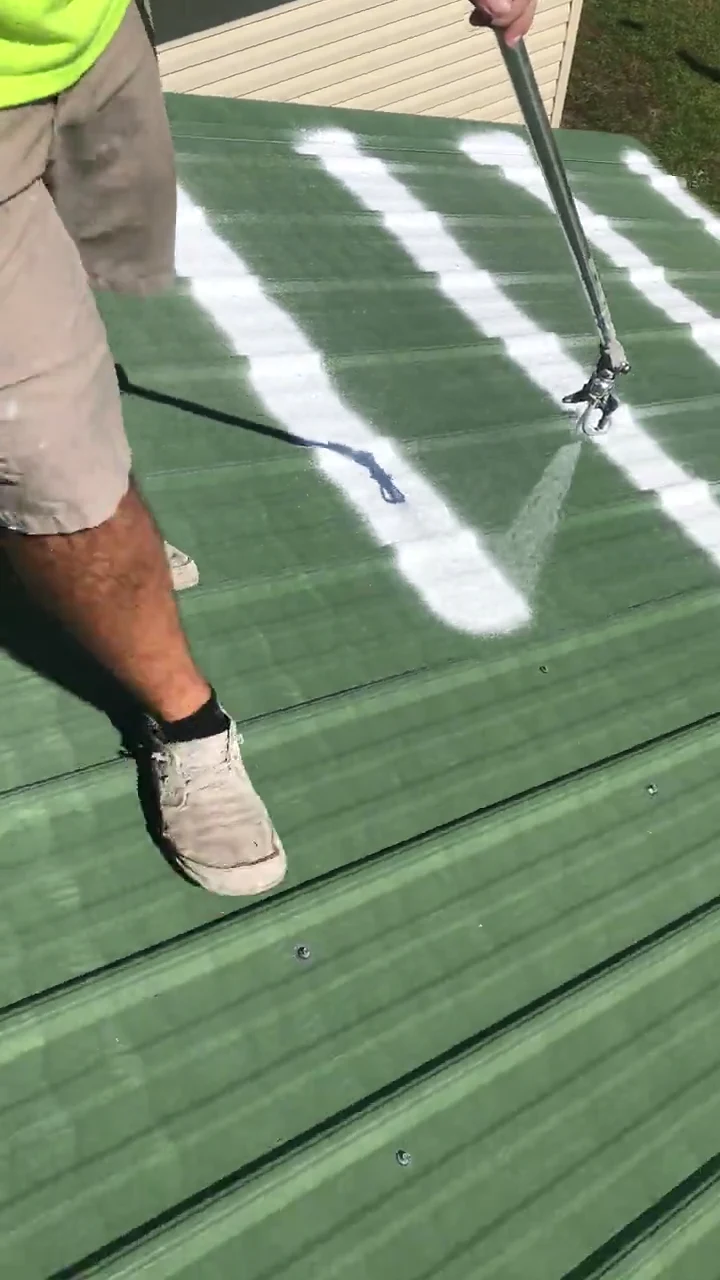
Diamond Roof Restorations · In the field
Understand what roof coatings do, compare their benefits, and learn whether your commercial roof is a candidate for restoration. A worn surface, a leaking fastener and wet insulation each call for a different response.
Diamond Roof Restorations · 2 min 40 sec
Watch how surface preparation, seam repairs and coating layers work together on metal and flat roofs. See where maintenance and warranty options fit into the decision.
Roof coatings explained
Roof coatings are liquid-applied materials that cure over a prepared, compatible roof. The complete restoration includes repairs and flashing details as well as the coating over the field of the roof.
An eligible roof can be restored while retaining sound portions of the existing assembly, reducing tear-off and disposal compared with full replacement.
Repair vulnerable details and apply a specified protective system across the prepared surface. The roof’s condition determines what must be repaired first.
A qualifying reflective finish can reduce heat absorbed by the roof. The effect on cooling bills depends on the building, insulation and climate.
Learn more: Roof Coatings Manufacturers Association and EPA’s cool-roof explanation.
A ceiling stain gives us a starting point. We trace the area back to roof seams, wall flashings, curbs and drains. If water stays on the roof after rain, the drainage problem belongs in the scope.
We look for loose panels, corrosion and signs of moisture beneath the surface. An inspection or moisture survey can identify sections that need removal before restoration makes sense.
The existing membrane, finish or old coating determines the preparation. An adhesion test on the actual roof helps establish whether the proposed primer and coating will hold.
Match the scope to the condition
Inspection findings guide the scope. Different sections of the same building may need different work.
A localized leak or damaged detail may call for a targeted repair when the surrounding roof remains serviceable. Ask what the repair addresses and whether the rest of the roof needs further investigation.
Consider restoration when the existing assembly is sound enough to retain and its leaks, wet areas and failed details can be addressed. The selected system still needs drainage, adhesion and compatibility checks.
A new roof assembly may be installed over an eligible existing roof. Condition, moisture, weight, applicable code and the manufacturer’s requirements determine whether recovery is an option.
Extensive moisture, deterioration or repairs that no longer make practical sense can lead to replacement. Ask which layers need removal and how the new roof will address the underlying problems.
Compare the assessment criteria in GAF’s coating-versus-replacement guide. The written scope should identify the sections included in each approach.
The existing surface, moisture below it, drainage and adhesion come first. Then compare the complete system: preparation, detail treatments, coating layers and the proposed warranty.
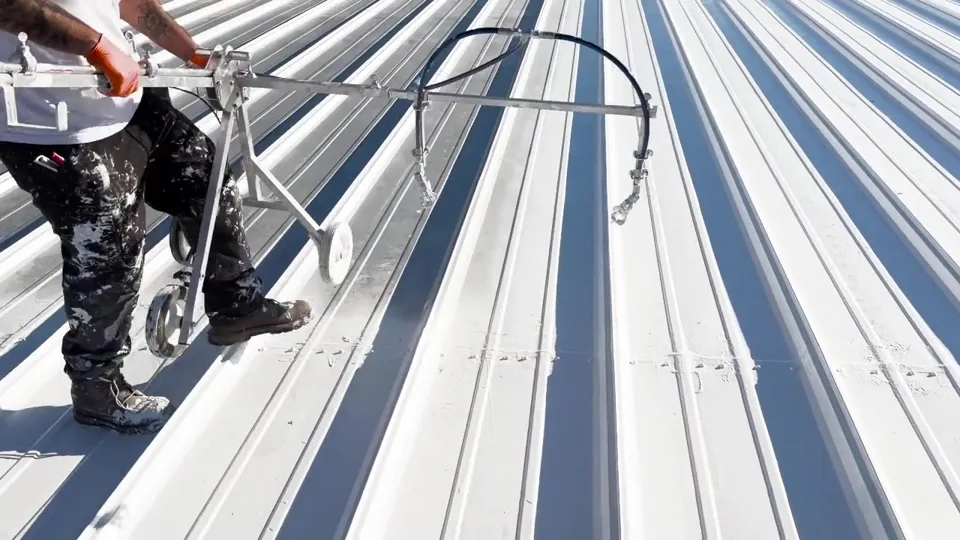
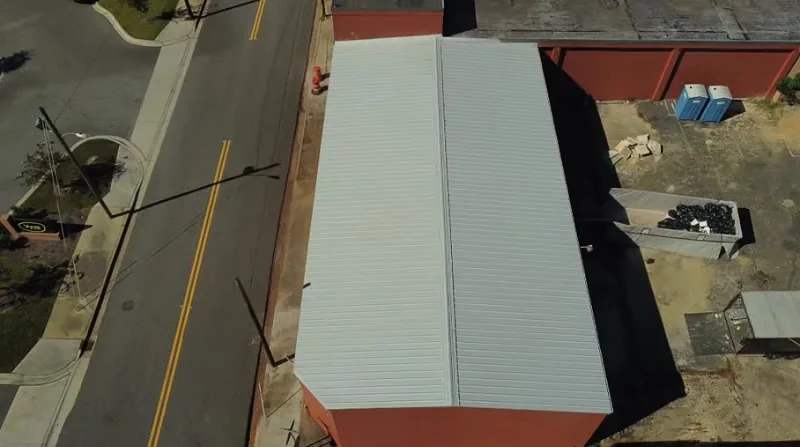
At TideWater Trailer Supply in Savannah, Diamond sealed the panel laps and fasteners before applying high-solids acrylic. For a proposed acrylic system, check that drainage, surface preparation and the application weather suit the selected product.
Explore acrylic coating benefitsSome silicone systems tolerate standing water. We still check the drains, look for wet insulation and confirm compatibility with the existing surface. Ask which preparation and detail treatments apply to the actual membrane or previous coating.
Explore silicone coating benefitsAmerican WeatherStar’s Ure-A-Sil combines urethane detail treatment and a urethane base with a silicone topcoat. Its substrate-specific guidelines define the system. Ask which assembly is proposed for your roof and which written warranty it can qualify for.
Explore urethane coating benefitsThese are assessment questions, not an approval for a particular roof. See RCMA’s guidance on primers and existing surfaces and its roof coating FAQs.
From roof conditions to finished surface
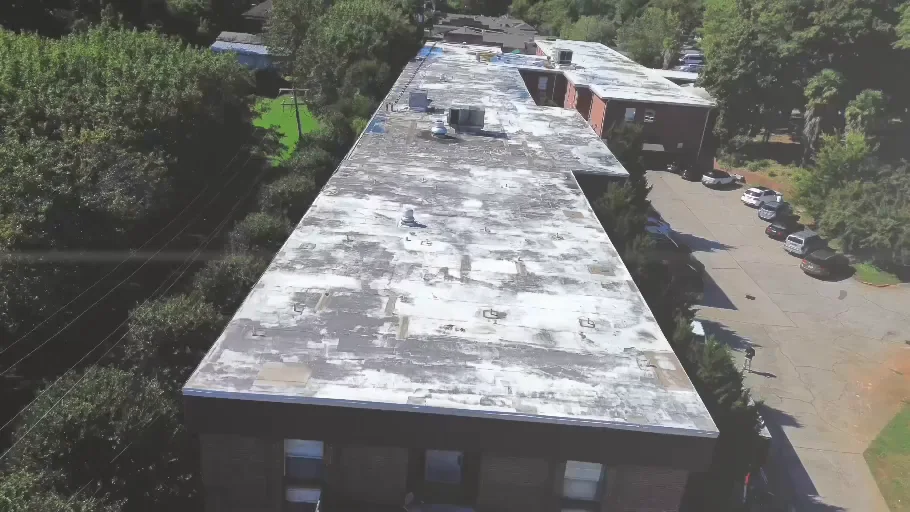
Identify the roof, trace leak areas and determine which moisture and adhesion checks are needed.
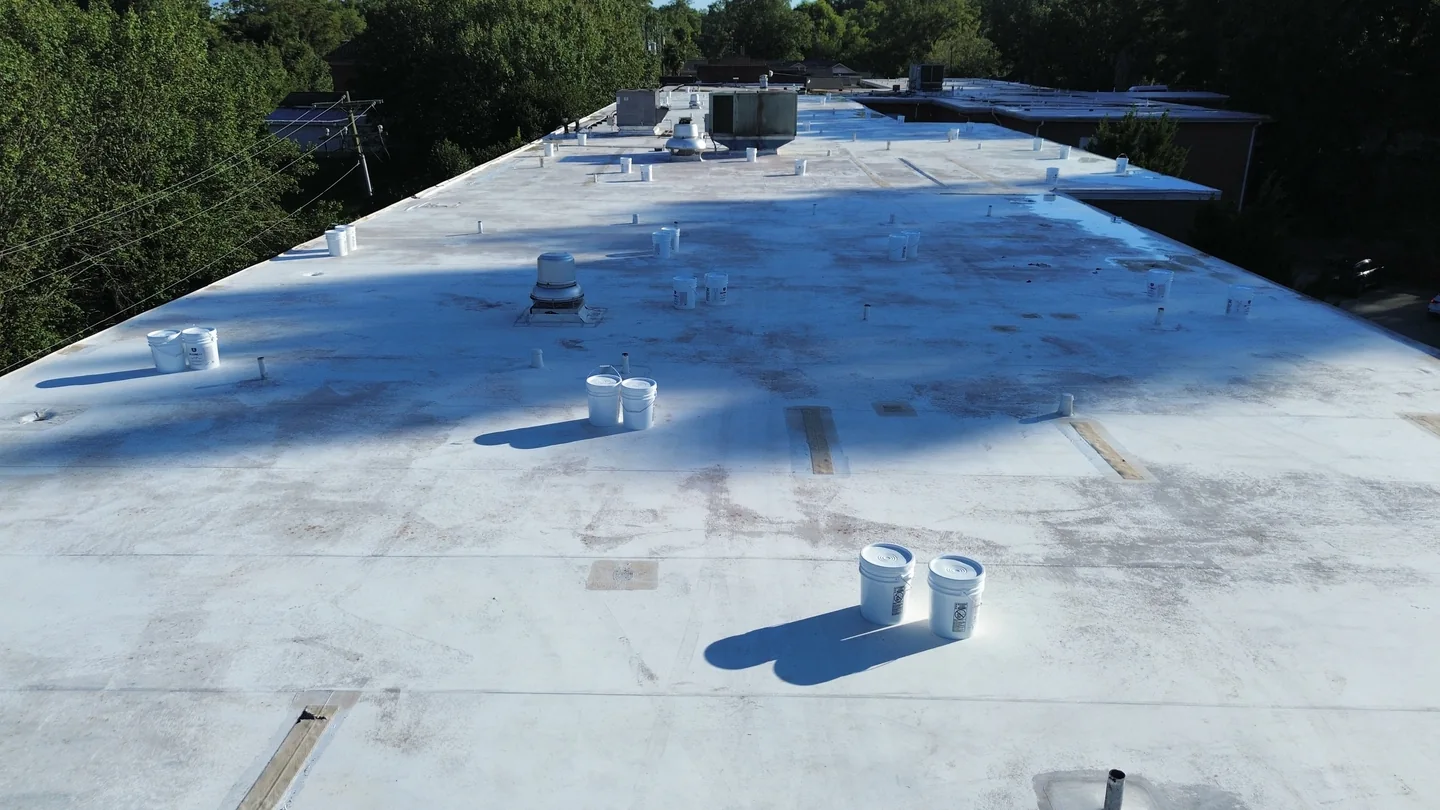
Clean the surface and address wet or damaged areas, drainage and failed details before coating.
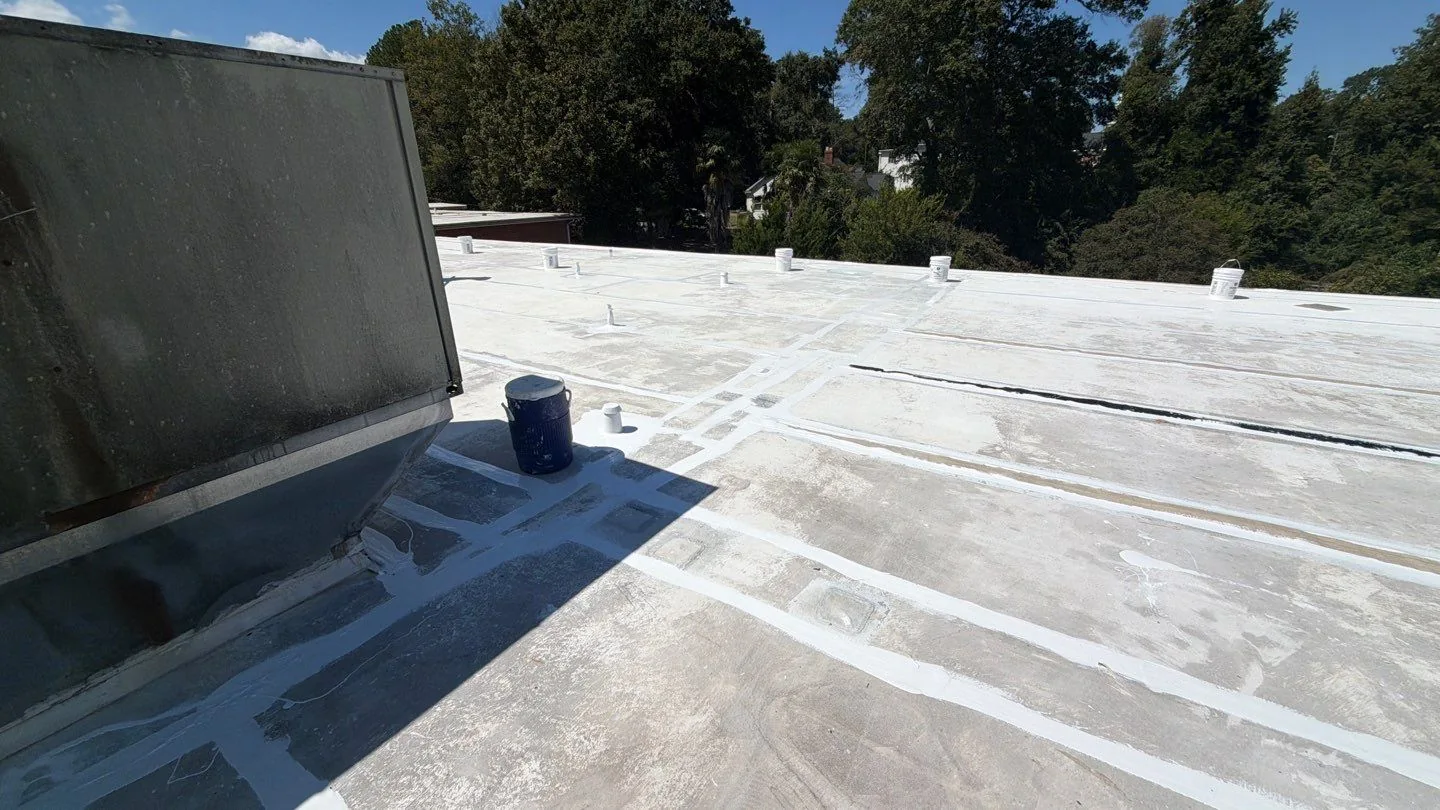
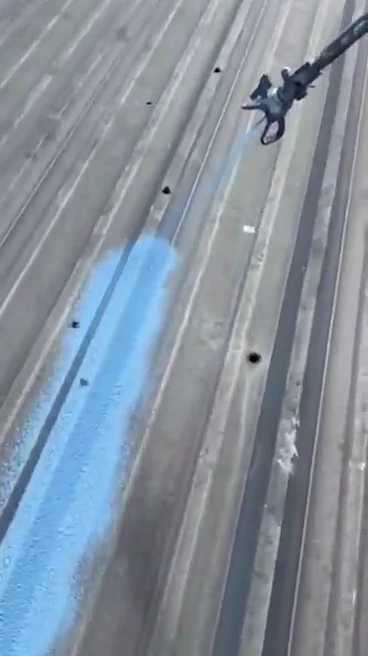
Use the selected detail treatments and coating layers, with the preparation, rates and curing conditions in the specification.
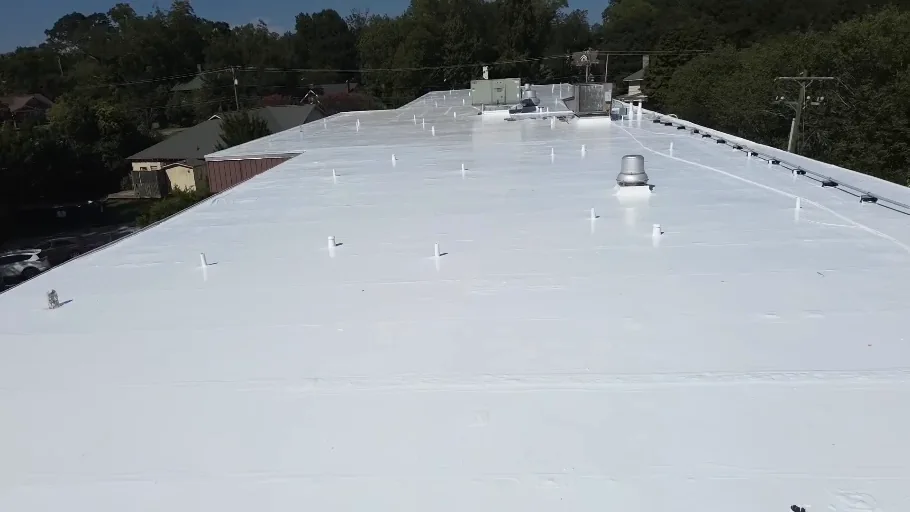
Ask how application will be verified and which records, care instructions and issued warranty documents will be provided.
Photographs: Diamond’s Anderson project with Chandler Roofing. These show the visible stages; application records and inspections establish details a photograph cannot confirm. See the complete project.
For system-specific preparation and application requirements, see GAF’s liquid-applied roofing manual (PDF).
Your roof. A visible record.
From the first finding to the final walkthrough, connect each recommendation to a roof location, a photograph and the work performed. The stages below follow the selected system for your building.
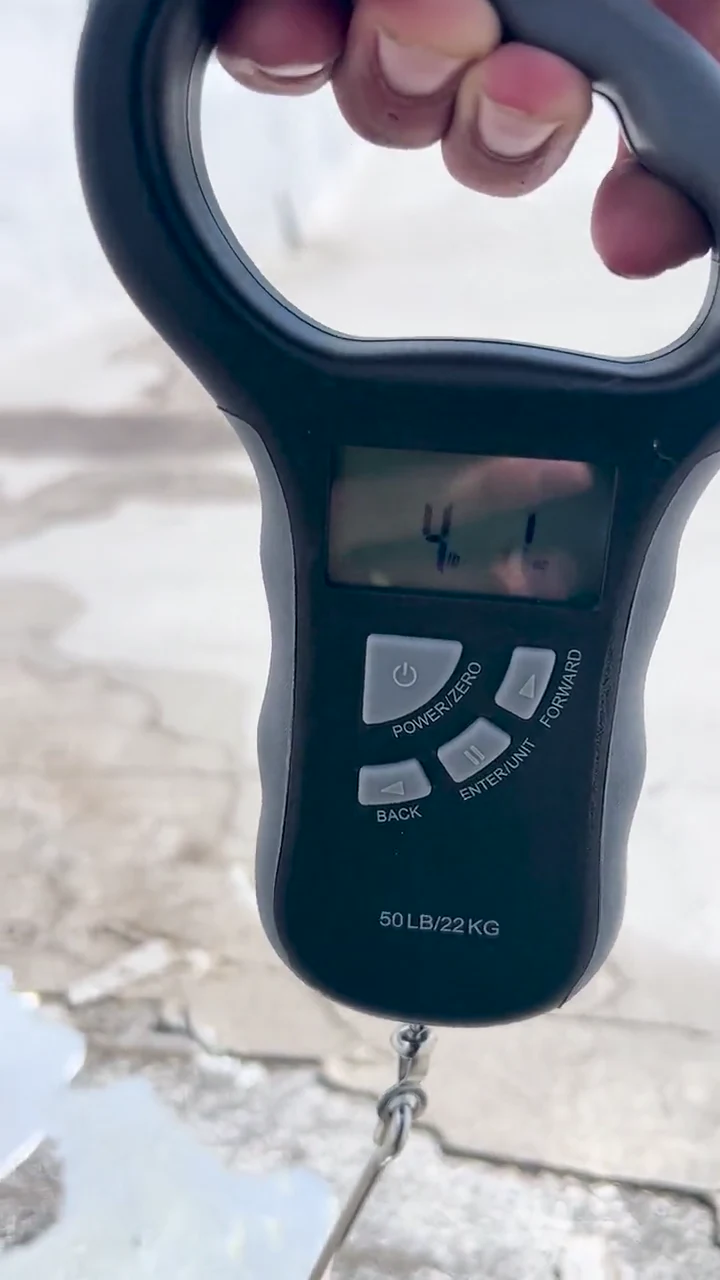 See an adhesion test in the field
A small test. Useful evidence.
A representative test patch helps evaluate how the proposed preparation, primer and coating bond to the existing surface. Record its location, curing conditions, result and where separation occurred.
Evaluate the result against the selected manufacturer’s requirements. Moisture, deck condition and drainage need their own checks.
See GAF’s adhesion-test guidance (PDF)The inspection video follows a clear sequence: where we are, what we found, why it matters, the proposed repair and how the work will be checked. Photos and marked roof areas keep that explanation connected to your property.
Matching views show the roof before work, after cleaning, through repairs and detail treatments, and at completion. Recording work before the next layer goes on preserves details that a finished-roof photo cannot show.
Updates identify completed work, the next step and any decision or schedule change you need to know about.
The proposal explains the documentation included. Warranty coverage follows the issued documents for your building.
On an exposed-fastener roof, a screw hole and a panel overlap give water two different ways in. These AI-generated illustrations show what each repair looks like beneath a continuous white finish.
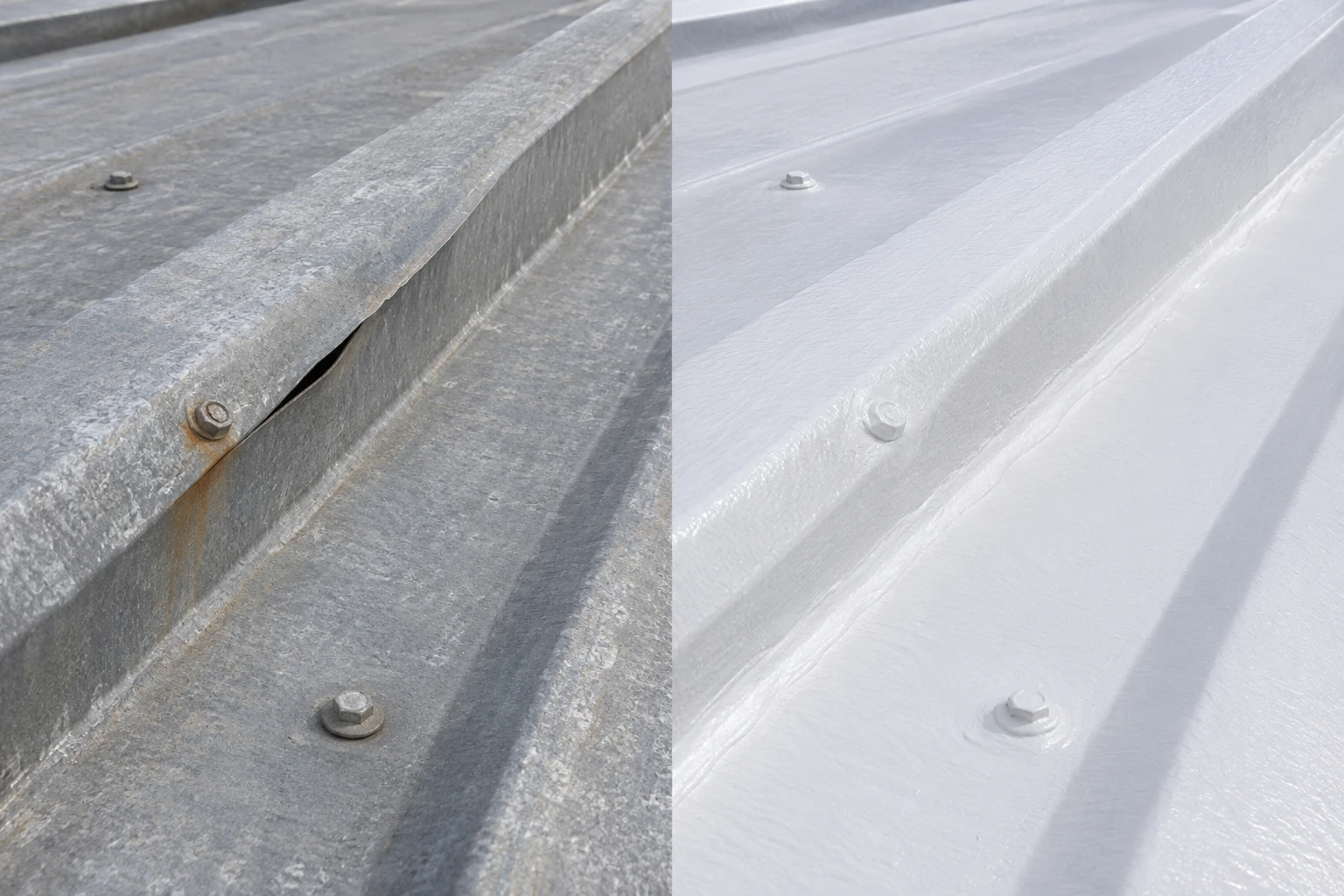
A lifted edge leaves a path for wind-driven rain. We check that both panels are sound, bring the overlap back into position and fasten it to the panel manufacturer’s specification. The crew seals the secured lap with the detail specified for the coating system.
Enlarge the seam comparison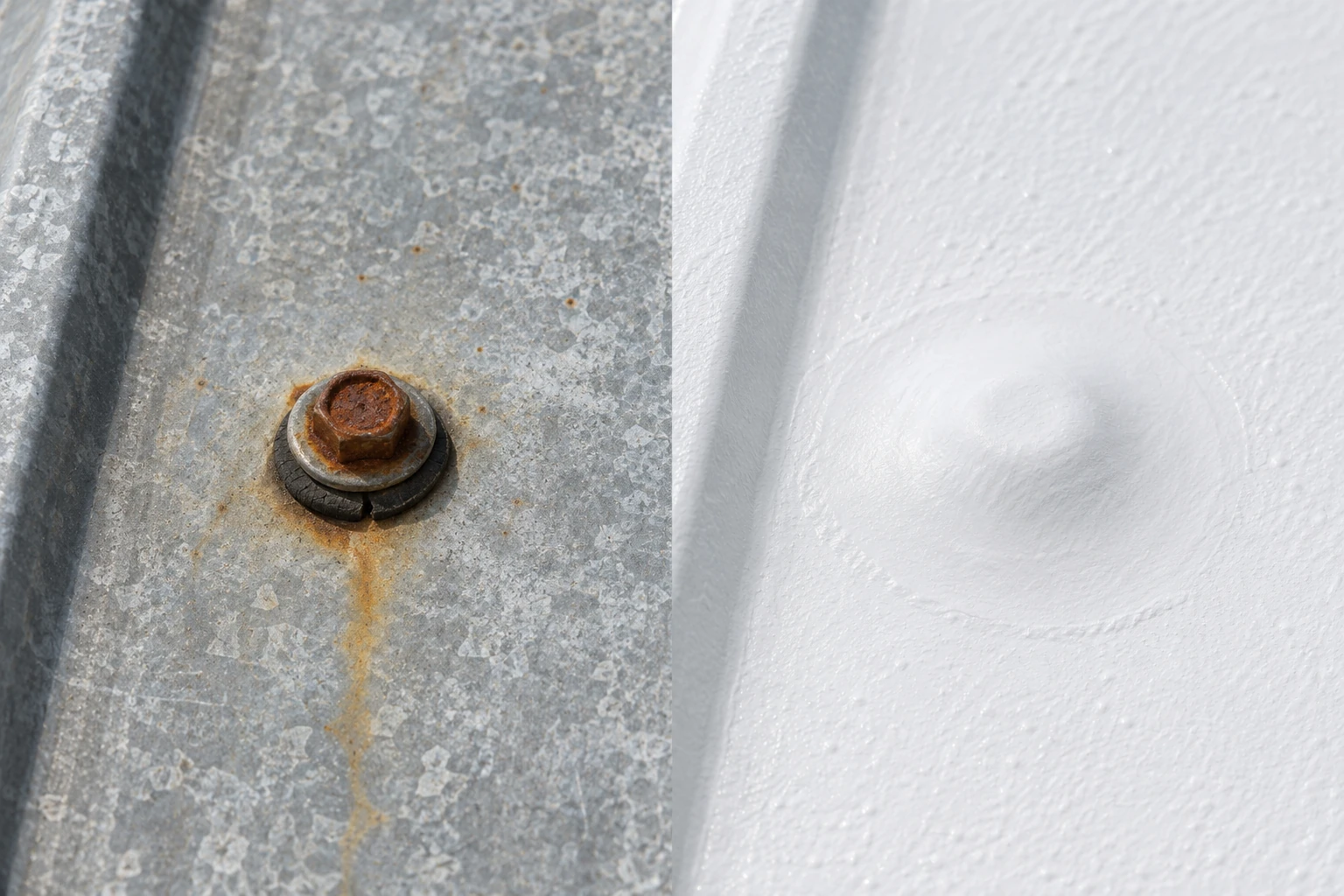
A loose screw or worn sealing washer can let water follow the fastener through the roof. We check the metal and the attachment underneath, replace failed hardware, seat the washer correctly and seal the head and its perimeter as the restoration system requires.
Enlarge the fastener comparisonWe clean and dry the roof, treat surface rust with the specified primer and replace metal that has lost its strength. After the seams and fasteners are detailed, we apply the selected base and finish coats across the panels and check the coating thickness against the system specification.
A reflective coating can lower the heat absorbed at the roof. A complete restoration also addresses the surface, repairs and flashing details that help the selected system perform.
Compare the exact product, color and tested surface with the proposal. The linked records provide the complete technical data for each product.
Bright white on a smooth surface · CRRC 0630-0025. Open the complete record to review the tested product and its published ratings.
View CRRC record 0630-0025Bright white on a smooth surface · CRRC 0854-0001. Open the complete record to review the tested product and its published ratings.
View CRRC record 0854-0001EPA retired ENERGY STAR certification for roof products on June 1, 2022. To compare today’s cool roofs, look up the exact product, color and surface in the Cool Roof Rating Council (CRRC) directory.
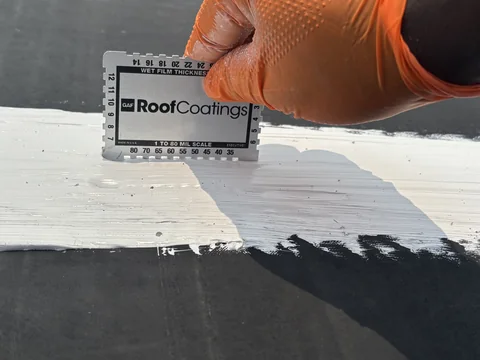
Check the quantity for one product and one coat. Use the roof area in your proposal and the application rate in the written system specification.
Example A 400 sq. ft. section at 1.5 gallons per 100 sq. ft. uses 6 gallons. That takes two whole five-gallon pails before material loss.
Manufacturer-documented examples
American WeatherStar reports that a 25-year-old R-panel roof was cleaned, its fasteners and seams were detailed, and two acrylic coats were applied. The manufacturer’s case study lists a 10-year labor-and-material warranty.
Read the manufacturer case studyGAF reports that the project team compared replacement, TPO recovery and silicone restoration, then repaired damaged areas and detailed screw heads and seams before applying the silicone system. Building weight and operational constraints affected the decision.
Read the manufacturer case studyThese are manufacturer-published project profiles, not Diamond projects or independent performance studies. Sizes, conditions and outcomes belong to the cited projects.
Give each roofer the same building address, leak history and access hours. Then ask:
A coating is not a shortcut for finding leaks. Existing leaks and failed details should be located, repaired and allowed to dry before the coating is applied. A moisture survey may be needed to define wet areas below the surface.
Square footage is only the start. Ask the proposal to identify wet sections to remove, rust repairs, seams and penetrations to treat, the coating system and access equipment. On an occupied building, include loading docks and entrances that must stay open.
Existing roof condition, the specified system, maintenance and exposure all matter. Ask for the proposed warranty term, who covers labor, what is excluded and which inspections must be documented. Use the written terms for your building when comparing offers.
Ask for a marked roof plan showing repair areas, sections suitable for coating and sections needing replacement. That gives you a basis for comparing phased work with a wider replacement.
Explore TPO replacementAfter the project
Plan inspections, coordinate rooftop service work and keep the issued warranty with your maintenance history.
Diamond in the field
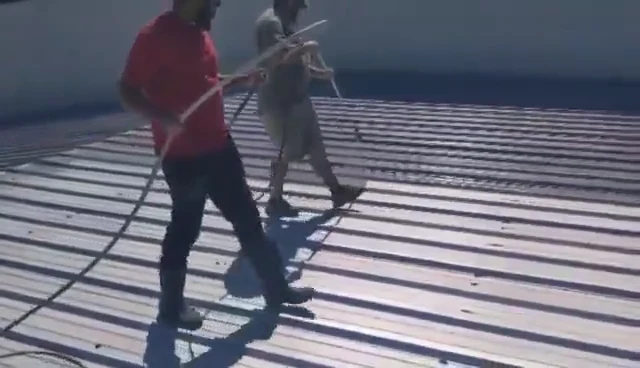
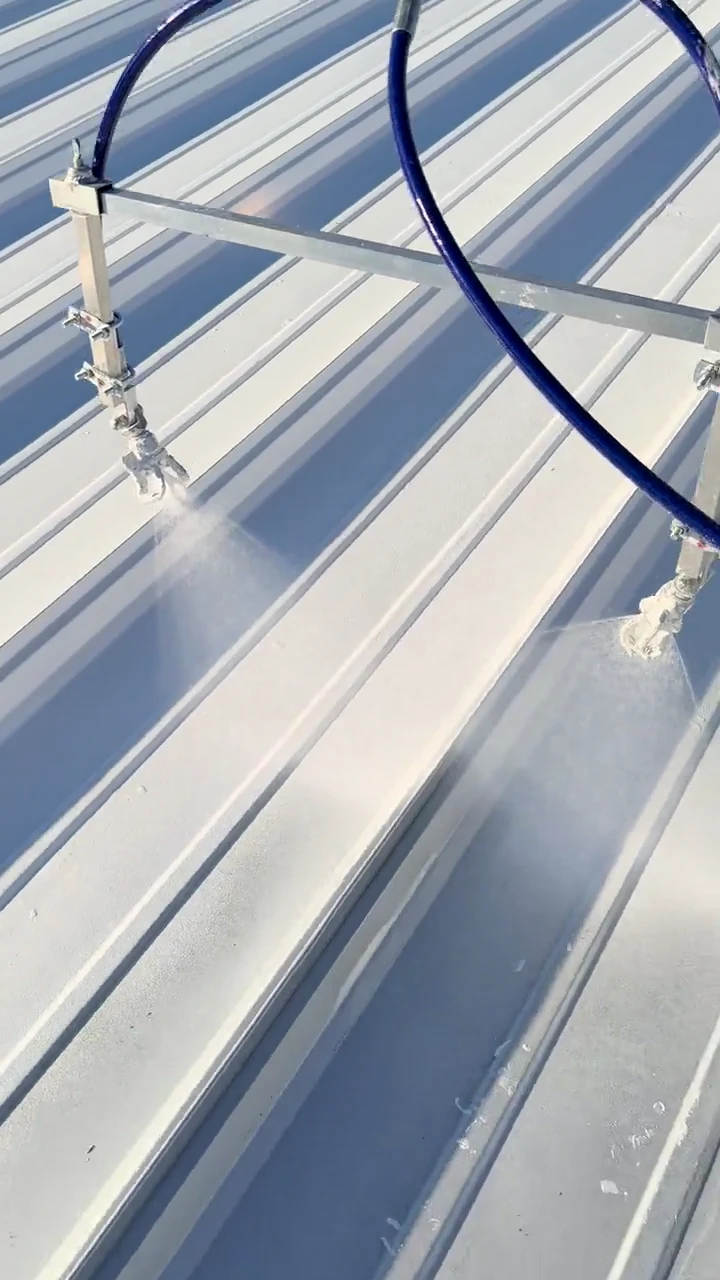
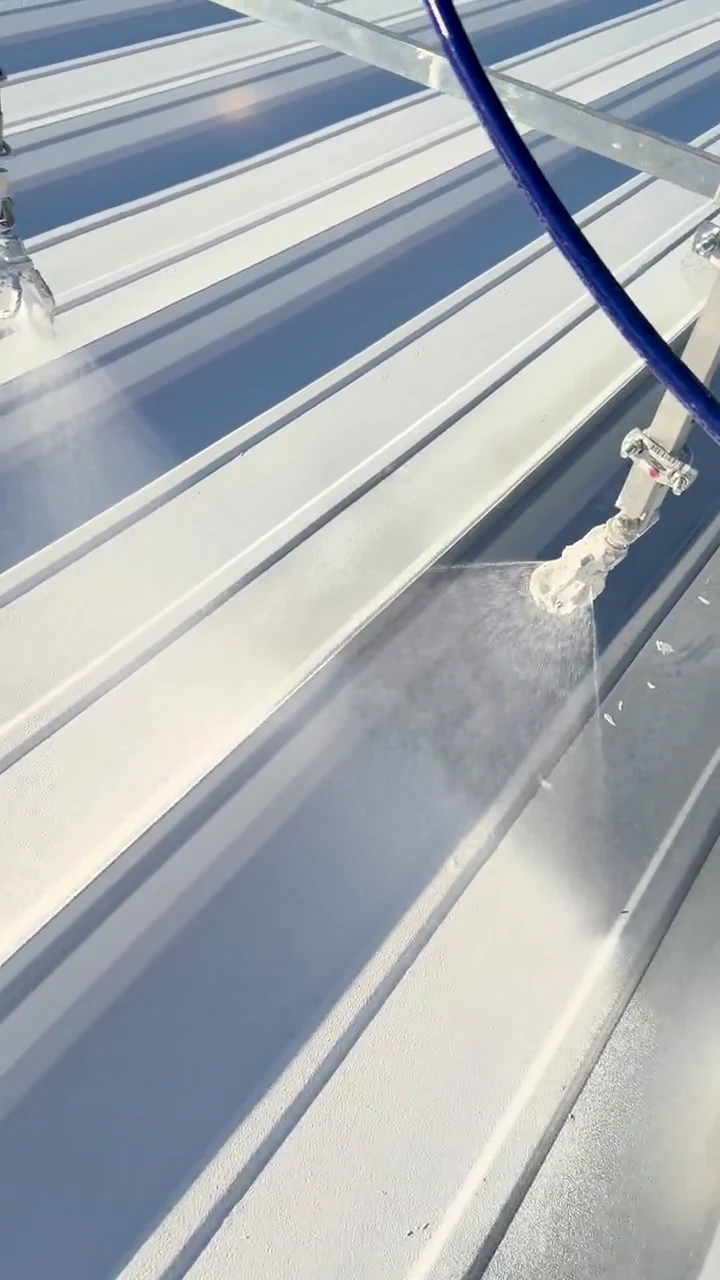
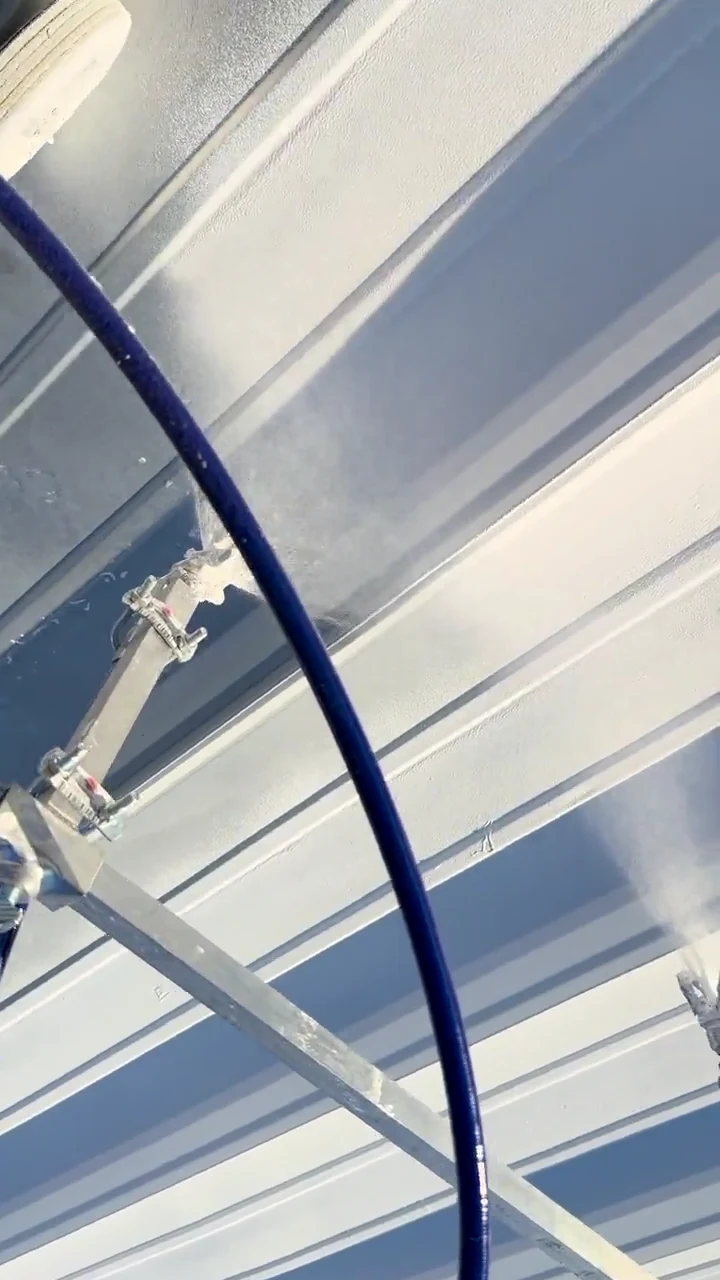
Real footage from our crew. Choose a film, then move through the gallery at your own pace.
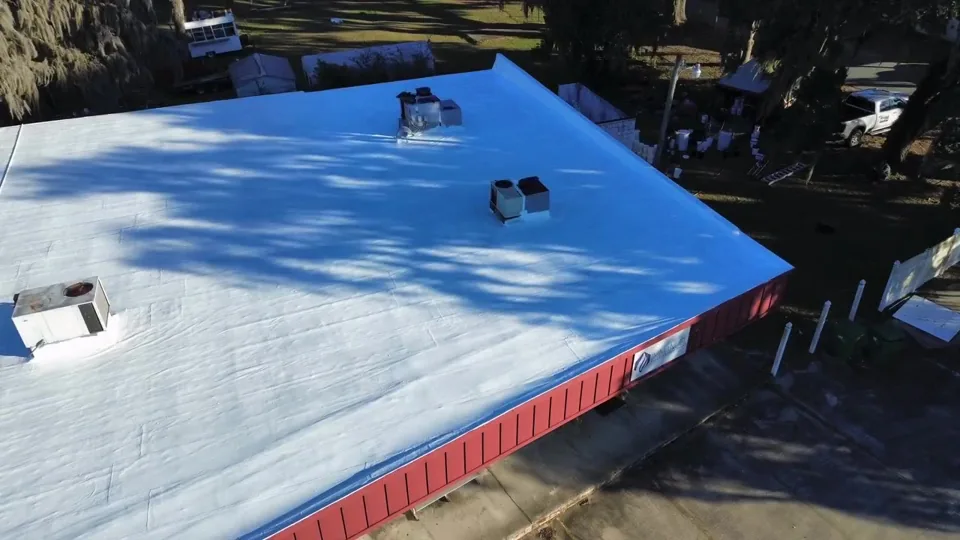 0:19
Coatings & seams
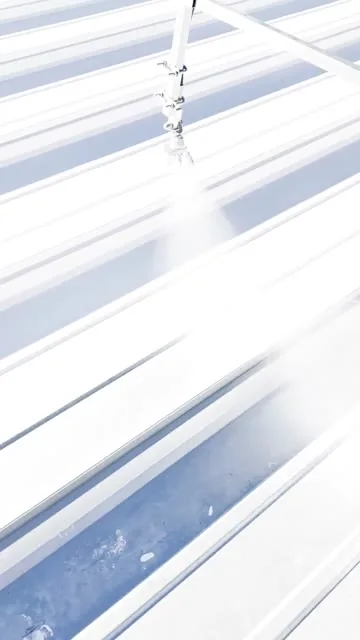 0:10
Coatings & seams
 0:30
Coatings & seams
 0:15
Coatings & seams
 0:34
Coatings & seams
 0:50
Coatings & seams
0:17
Coatings & seams
 0:17
Coatings & seams
 0:12
Coatings & seams
 0:12
Coatings & seams
 0:06
Coatings & seams
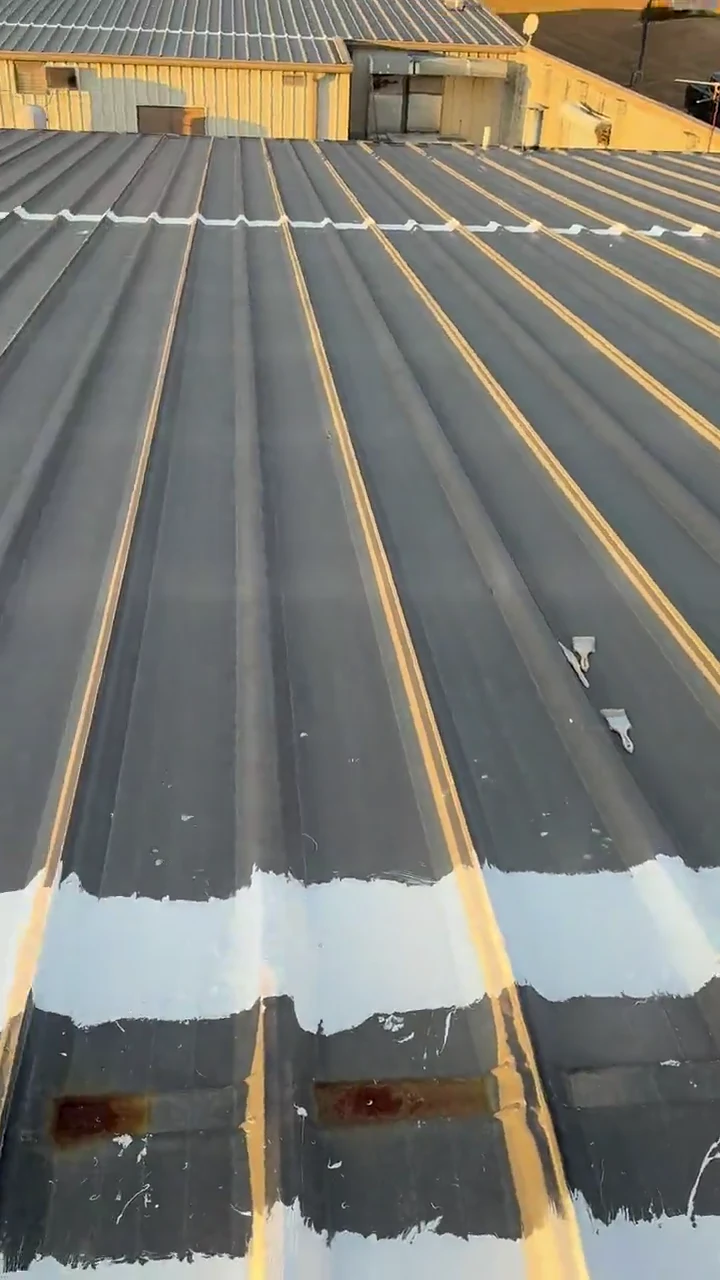 0:14
Coatings & seams
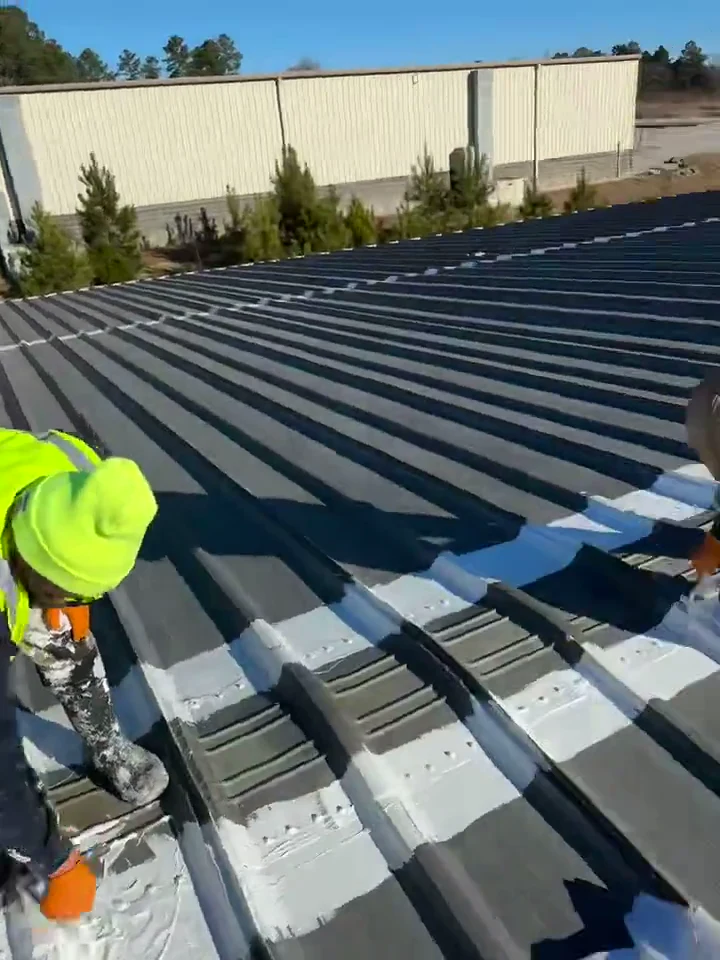 0:04
Coatings & seams
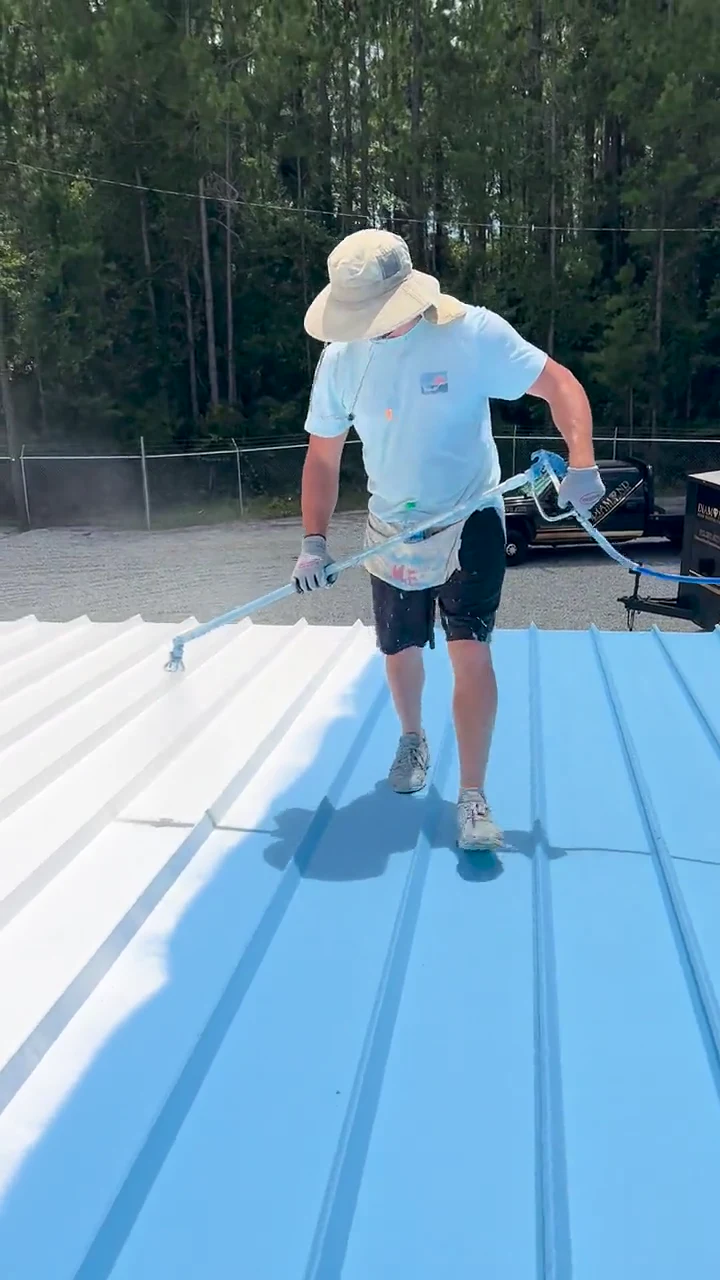 0:06
Coatings & seams
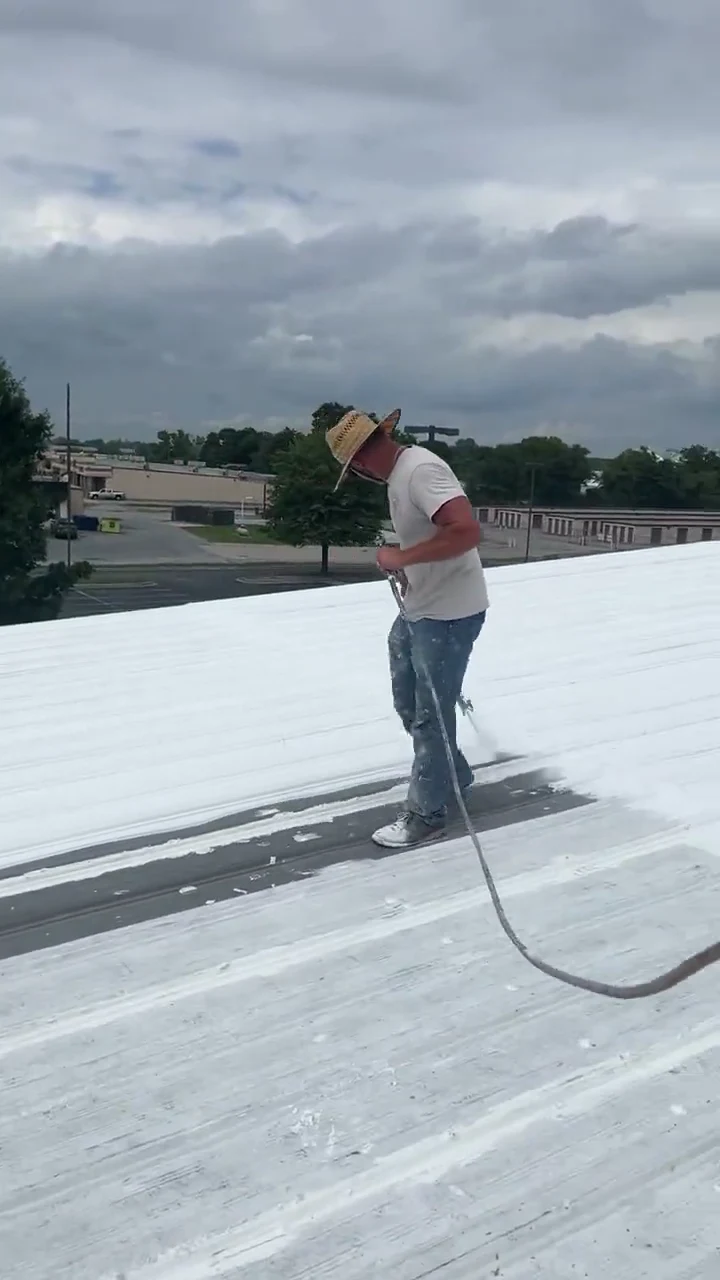 0:20
Coatings & seams
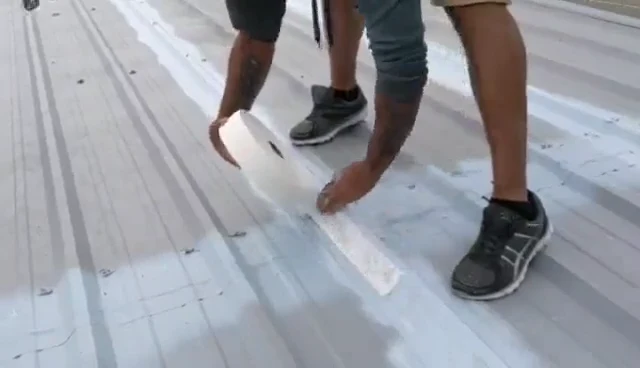 0:37
Coatings & seams
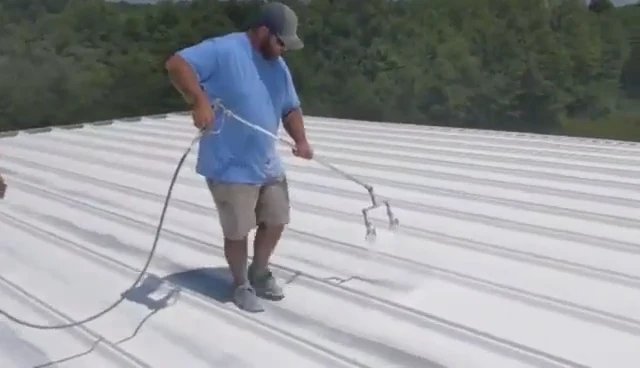 0:17
Coatings & seams
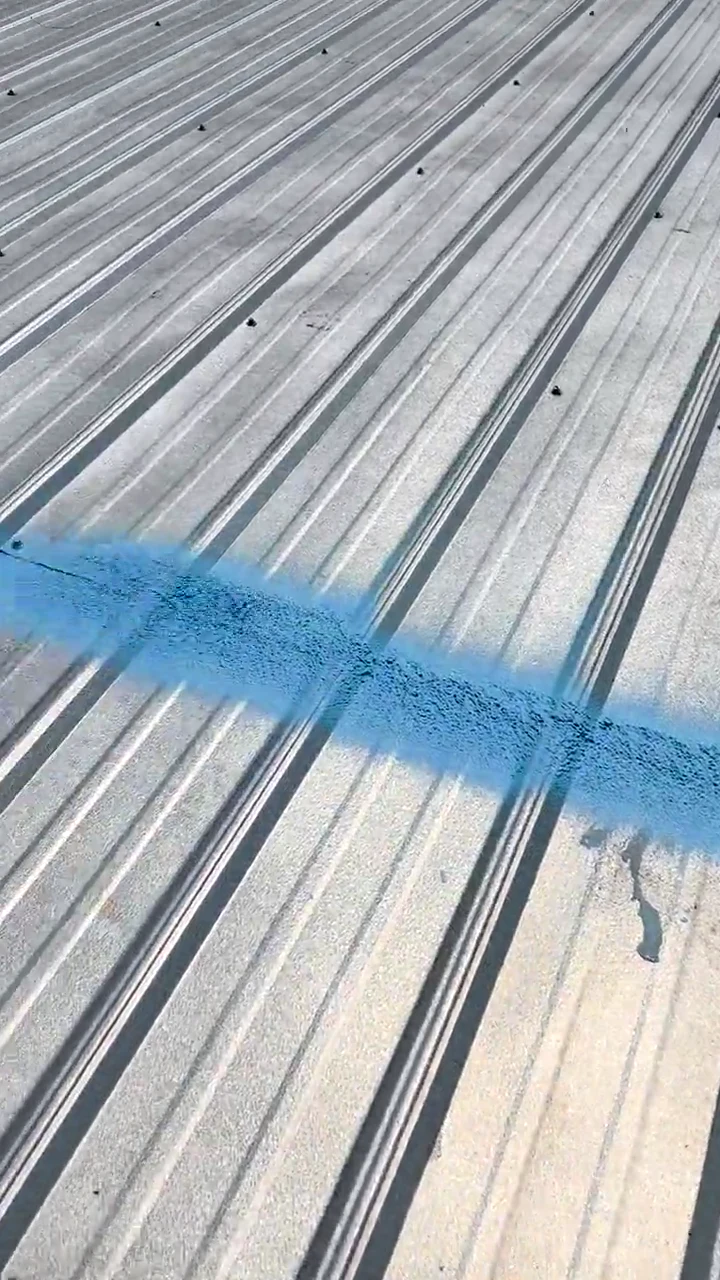 0:33
Coatings & seams
Films labeled “Original audio” play with sound. The site music pauses while you watch. Hear our customers on the testimonials page.