
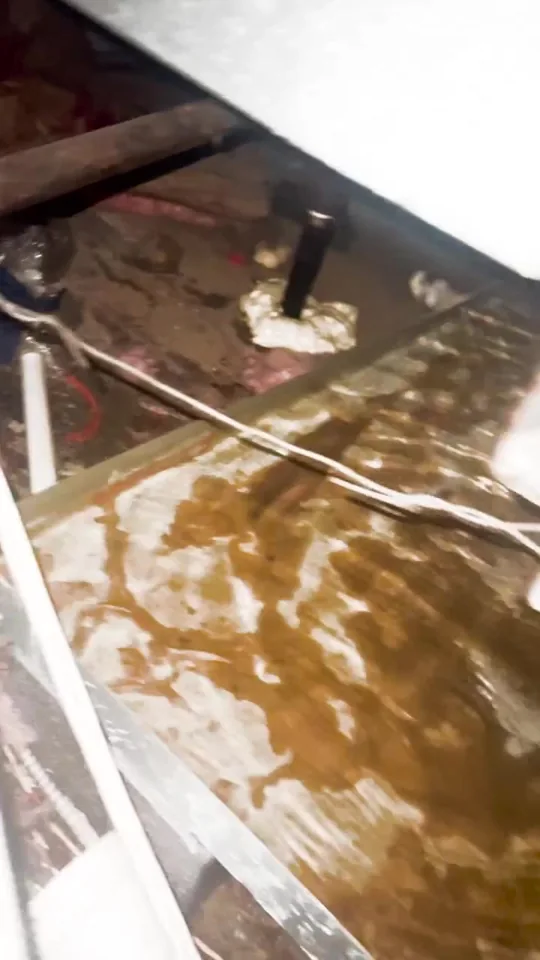
What a dye trace can answer
Imagine a stain below an internal gutter beside a parapet. An investigator can isolate one pathway, introduce an appropriate water tracer there, then observe interior joints, accessible piping and the drip location for that tracer. A matching trace connects the test water with the observed discharge. The team still needs to identify the failed joint or membrane detail along that route.
Why a clear drip is inconclusive
Roof layers and cavities can hold water before releasing it. A clear drip during a dye test may be water from an earlier storm or from a second source. Record starting conditions, the exact area receiving tracer, observation locations and elapsed time. The contractor should check finish compatibility, staining risks and where test water will discharge before using any dye.
Choosing the right repair trade
Water escaping from a verified pipe joint calls for a different repair than water entering at a drain flange or a wall transition. Isolating those paths can spare an owner the cost of replacing a sound roof section. Once the defect is corrected, verify the original leak condition and check affected roof layers for retained moisture wherever the water path crossed insulation.
Repair and mitigation options for a wet roof
- Stop water at its source
- Repair confirmed openings at seams, flashings, curbs, drains or penetrations with a detail suited to the existing membrane. Refer leaking drain piping or HVAC condensate equipment to the appropriate trade. Check the repair under the conditions that produced the leak.
- Correct ponding and poor drainage
- Clear and maintain drains, scuppers and gutters. Persistent low spots can call for tapered insulation, crickets or changes to outlet elevations. Have suspected deflection or deck damage evaluated before adding material or load.
- Remove wet insulation and damaged board
- Mark the verified boundary, expose the affected layers, and extend removal to sound, dry material. Evaluate the deck and fasteners, replace unsuitable insulation and cover board, and tie the compatible waterproofing back into the surrounding roof.
- Control condensation and indoor moisture
- Trace humid air, duct leakage and cold surfaces. Address exhaust, air sealing, insulation continuity or vapor control according to the building and climate. Recheck humidity and surface conditions during the operating cycle that produced the wetting.
- Use one-way pressure-relief vents only where specified
- A one-way vent can release vapor pressure from a compatible roof assembly. Its effect depends on a path for vapor to reach it. A vent cannot restore a crushed board, remove standing water or establish that saturated insulation is dry. Obtain the system designer’s or manufacturer’s detail.
- Verify drying, replacement or restoration
- Where an approved drying plan applies, document readings against suitable dry reference areas before closing the work. Broader wetting, repeated leaks or compromised decking can warrant sectional or full replacement. Confirm a dry, sound substrate and coating compatibility before restoration.